
A double helping
Extra glossary fun for the word-minded among you

After a fortnight’s interlude in which Ben took a closer look at Riojan whites and went into raptures over Bergerac - the French town not, with apologies to John Nettles, the slightly cheesy 1980s TV series - it’s back to the glossary this week. After a canter through the beginning of the alphabet, wine terminology seems to slow down a bit around the ¨H¨s and ¨I¨s (OK, I can hear you at the back shouting Haut-Medoc and Hunter Valley), hence this week it’s a double portion of letter soup all the way from G through to N.
Gran Reserva: Spanish term for a wine which is reckoned to be from a particularly good vintage and has been aged for a long time. The precise ageing period varies between DOs but in Rioja, for example, which produces some of Spain’s best known Gran Reservas, the wines must spend at least 24 months in 225 litre barrels (known as barricas).
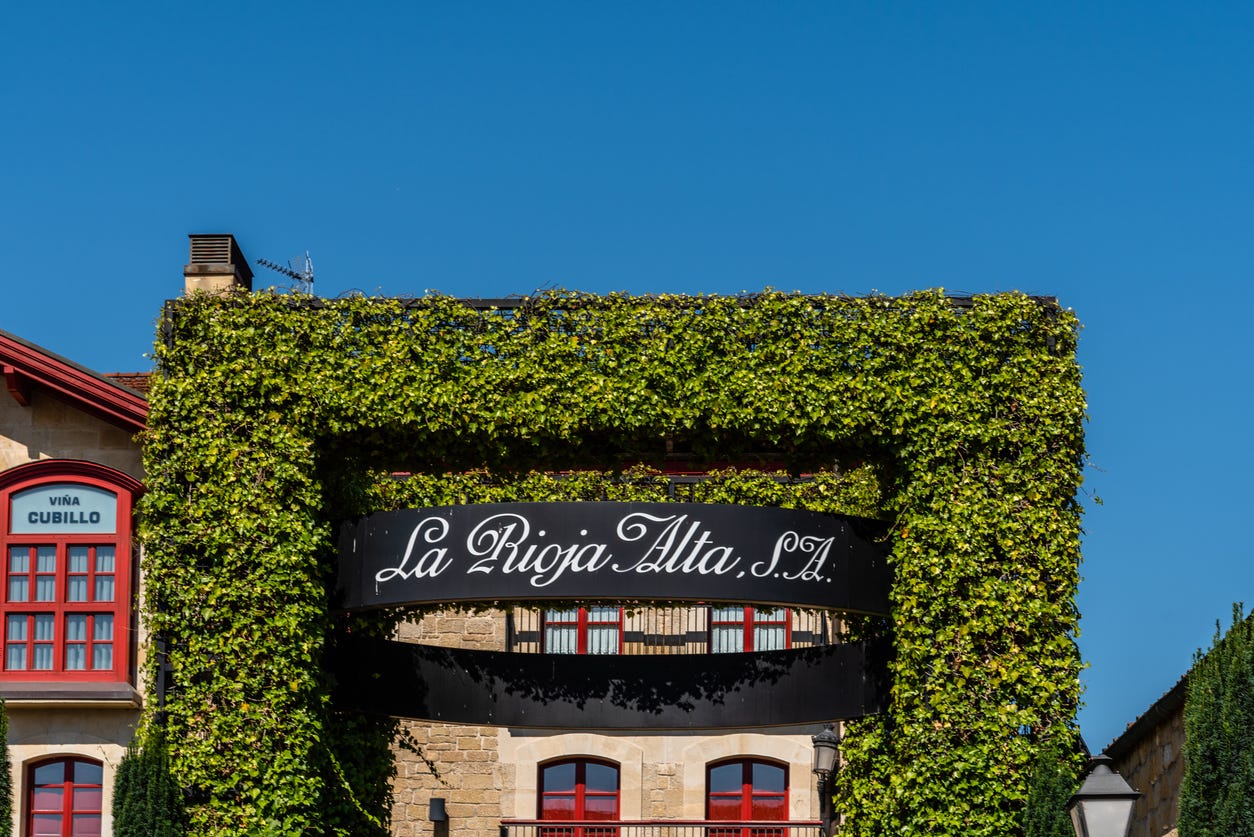
Rioja Alta winery in Haro, home to some of Rioja’s most celebrated Gran Reservas
Horizontal tasting: A form of wine tasting in which participants - standing, not lying down - taste and compare a selection of different wines all from the same vintage.
Lees: The name for the dregs or sediment leftover at the bottom of the tank after fermentation (lías in Spanish; lies in French). Lees are made up of dead yeast cells and all the bits and pieces from the grapes like pulp, and bits of stem and skin. In white winemaking, wine is often left in contact with the lees to help give extra structure, body and creaminess to the wine. Sometimes this process is enhanced by a process called bâtonnage, a French word which refers to the action of regularly stirring the lees.
Magnum: A large bottle size with capacity for 1.5 litres of wine, or twice the size of a standard 75cl wine bottle. Magnums are generally considered to be the optimum size for ageing fine wines, as they help slow down the ageing process but are not so large as to be unwieldy.
Master of Wine (MW): A person who has passed the exams held by the Institute of Masters of Wine, the wine trade’s most prestigious and demanding professional qualification. The exams cover all aspects of the wine trade from the vineyard through to marketing and sales and also include a blind tasting where candidates are asked to identify up to 12 wines from anywhere in the world.
Minerality: An imprecise but increasingly fashionable term in wine-tasting circles. References to stony or chalky characteristics in eg some French white wines have been around for many years, but minerality broadens that idea to try and transmit a sense of place in a wine, even though scientists are clear that there cannot be a direct connection between the flavours in a wine and the mineral elements in the rocks that sit under a vineyard.
Chablis’ limestone-rich soils give its Chardonnay wines their distinctive flinty, chalky character
Natural wine: Refers to wine produced naturally – ie with no additives either in the vineyard or the winery. Natural winemakers follow sustainable, organic or biodynamic agricultural practices. While some critics accuse natural wines of being unstable – the lack of additives means bacteria and yeasts can remain in the wine and change it significantly even after bottling - they have become popular in recent years with younger drinkers. There are various natural wines ¨styles¨, including the so-called pet nat sparkling style, or orange wine, essentially a white wine made like a red wine with prolonged contact with the grape skins (hence the colour).
New World: The group of winemaking countries not encompassed by Europe and the Mediterranean basin, so essentially the Americas (North & South), South Africa, Australia and New Zealand.
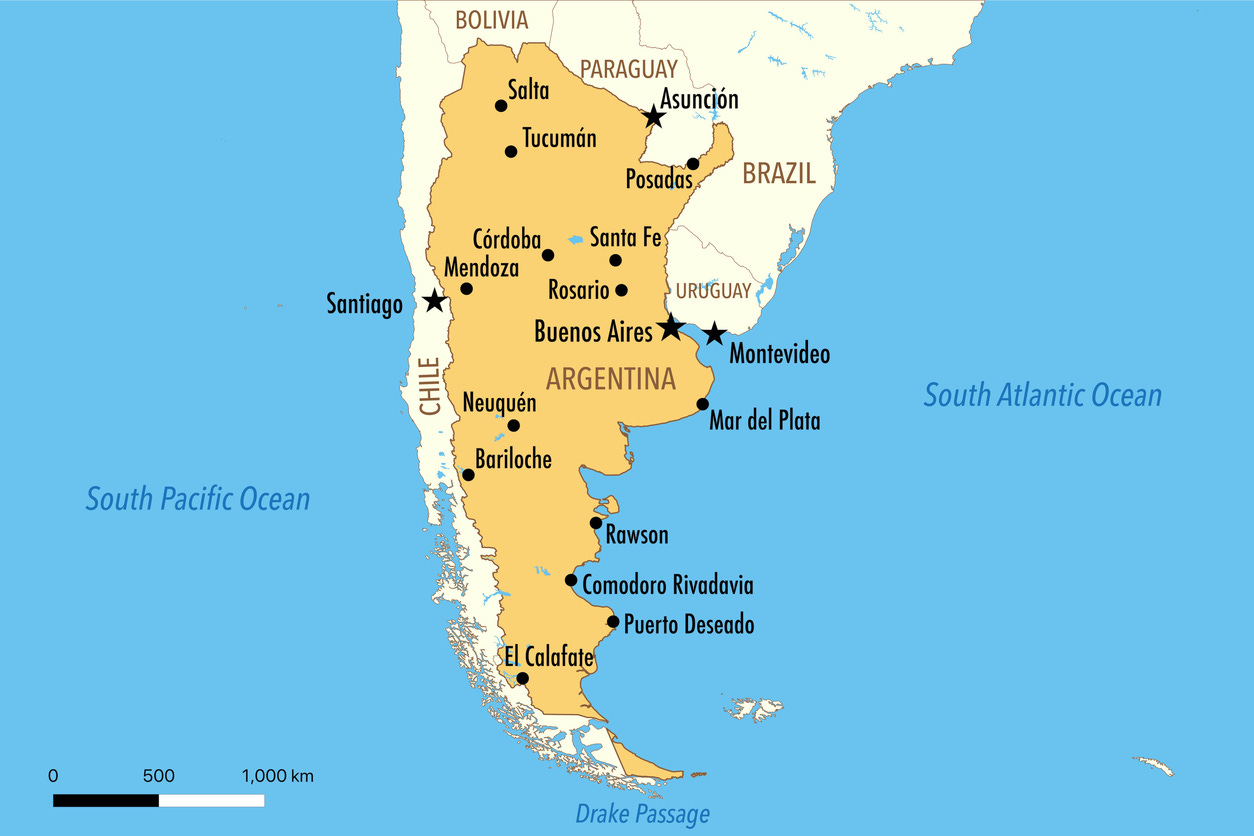
Chile & Argentina are two of the New World’s largest wine producers
Non-vintage: the term refers to blended wines, especially Cava, Champagne or other sparkling wines, which are made from grapes produced in several different vintages. Often abbreviated on the wine label to NV.
That’s your lot for this week folks. As always, if you think we’ve missed anything out (and we almost certainly have!) answers on a postcard please to the usual address.
Salut!
Garrigue?