
As easy as ABC...
The first instalment of our wine glossary

Back in the olden days when Ben and I were selling wine for a living, we put together a pretty decent (albeit non-exhaustive) glossary on our website for our customers to glance at and, hopefully, learn a thing or two.
It seemed a shame to let it lie gathering dust, so this week we thought we’d post the first instalment in a short series. Let’s kick off with A to C.
ABV: stands for Alcohol By Volume, and in technical terms it refers to the amount of pure alcohol in 100 litres of wine. In most countries it is mandatory to include ABV on wine labels. Most wine is between 12% and 14.5% ABV, but remember that climate change is pushing average temperatures up, which means more natural sugars in grapes which means potentially more alcohol through fermentation.
Acidity: a key wine tasting term (acidez in Spanish), acidity refers to the tart, sharp or sour tastes caused by the naturally occurring acids in grapes. We normally taste acidity on the sides of our tongue and it can make our mouths water.
Appellation: from France’s Appellation d’Origine Contrôlée (AOC), the country’s quality control system for designating the names of geographically-based production areas and controlling the rules governing what goes on within them (types of grapes allowed, production methods etc).
Barrel-aged: refers to wine that has been kept in wooden barrels at the winery before bottling (envejecido en barril in Spanish; vieilli en fût de chêne in French). Wood is slightly porous, so barrel ageing allows tiny amounts of oxygen to enter the wine, allowing different components of the wine to evolve and more complex flavours to emerge. Barrels come in different sizes (225 litres is perhaps the most common), and are usually made of French or American oak.
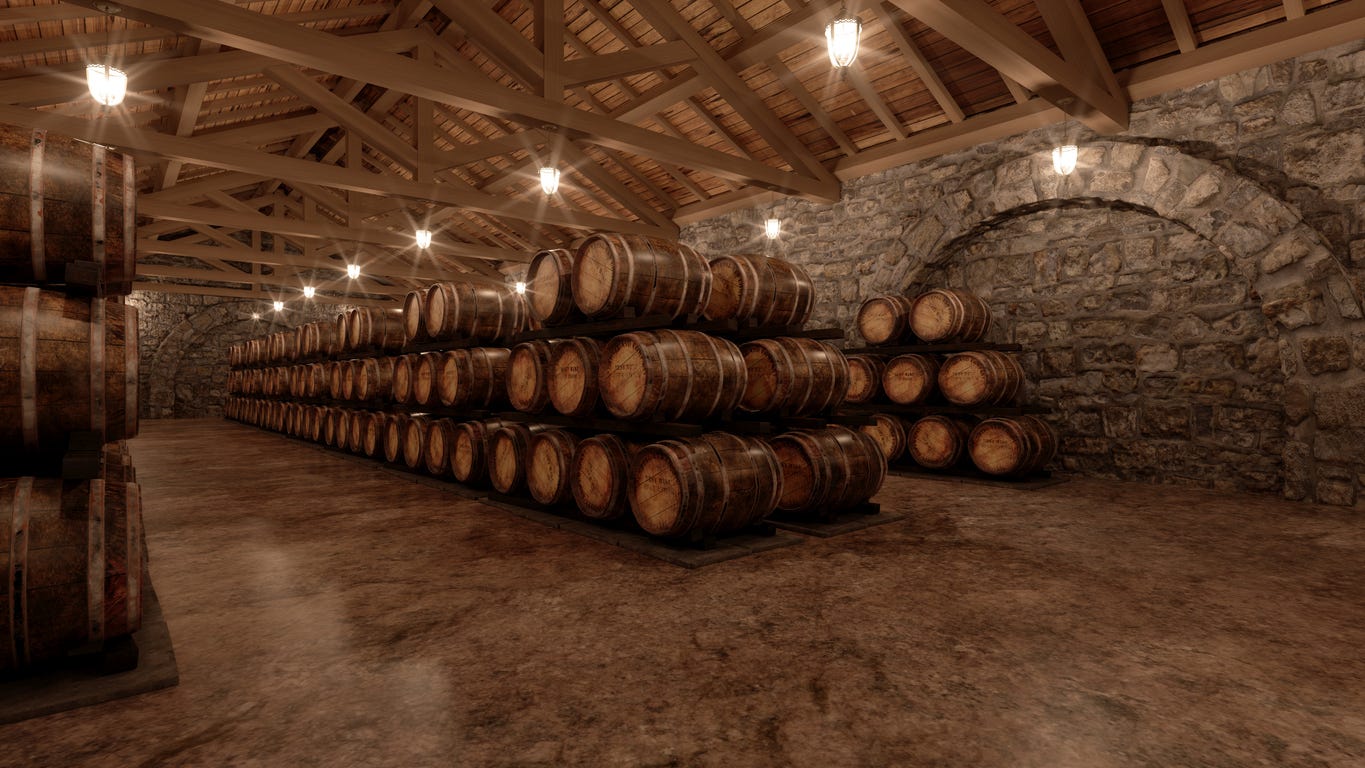
Wine ageing in wooden barrels
Barrique: strictly speaking, the term barrique refers to the 225 litre, French oak barrel from Bordeaux which became the standard barrel size from the region in the mid-18th century. The term is still used, though you’ll also hear it being applied outside France to all manner of wooden barrels.
Bâtonnage: derived from the French word bâton, or stick, and often written as batonage in Spanish, bâtonnage is the action of stirring up the lees during the winemaking process. It is often used for barrel fermented white wines as it helps to improve the stability of the wine, can help limit the amount of tannin and pigment extracted into the wine from the wood, and encourages extra texture and aroma (see also lees).
Biodynamic: part of the green farming movement inspired by the ideas of Austrian philosopher Rudolf Steiner (1861 – 1925). All biodynamic wine growers adhere to organic principles (see below), but in addition believe in a less technology-driven approach to winemaking. A series of herb and mineral based ¨preparations¨ are used in biodynamic vineyards, and key stages like pruning, picking or bottling are reserved for different lunar cycles which are believed to be more favourable.
Blind tasting: a form of wine tasting in which participants are asked to identify wines without knowing their identity. Those taking part are usually asked to identify the grape the variety the wine is made from, where it is from (provenance) and its vintage (see also vertical tasting).
Botrytis: aka Noble Rot. A form of rot, triggered by especially humid, misty mornings, which attacks white grapes and can spoil them. But coupled with sunny, dry afternoons, the rot is halted and the grapes suffused with delicious aromas to create sweet wines. Examples of famous botrytised wines include Sauternes from the Bordeaux region in France, or Tokaji from Hungary.
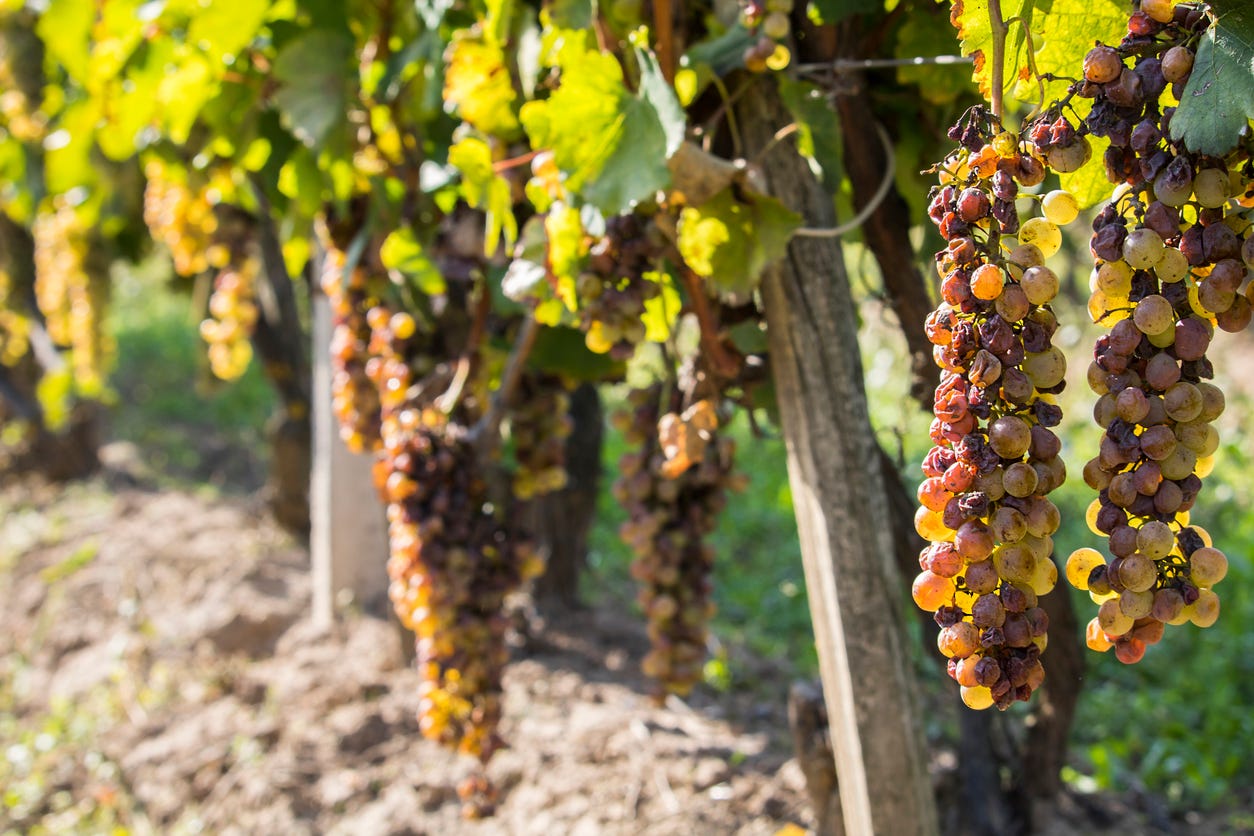
¨Botrytised¨ grapes
Budbreak: sometimes called budburst, this is the moment in the spring when shoots start to emerge from the vine buds signaling the start of the new growing season.
Canopy: vineyard term which refers to the part of the vine above ground which includes the vine trunk, canes, shoots, leaves and fruit. The term canopy management refers to the practice of pruning the canopy in order to optimize the exposure of fruit and leaves to the sun.
Cap: the layer of grape solids (ie seeds, stems and skin) that floats on the surface of the liquid during fermentation of red wine. The cap needs careful management to keep it moist and submerged to ensure the extraction of phenolics which add colour and flavour to the wine (see phenolics).
Concrete: increasingly popular material for fermenting, storing or ageing wine (as opposed to stainless steel, wood or clay amphorae, for example). Concrete is a neutral material meaning it doesn’t impart any flavour to the wine, and its good thermal inertia mean it helps keep temperature fluctuations to a minimum.
Concrete eggs: as the name suggests, egg-shaped concrete tanks, usually between 500 and 1,500 litres in capacity, which have become increasingly popular among younger winemakers. The egg shape helps ensure a greater contact between wine and lees, and also encourages convection currents which keeps the wine in motion and reduces the need for bâtonnage (see also bâtonnage).
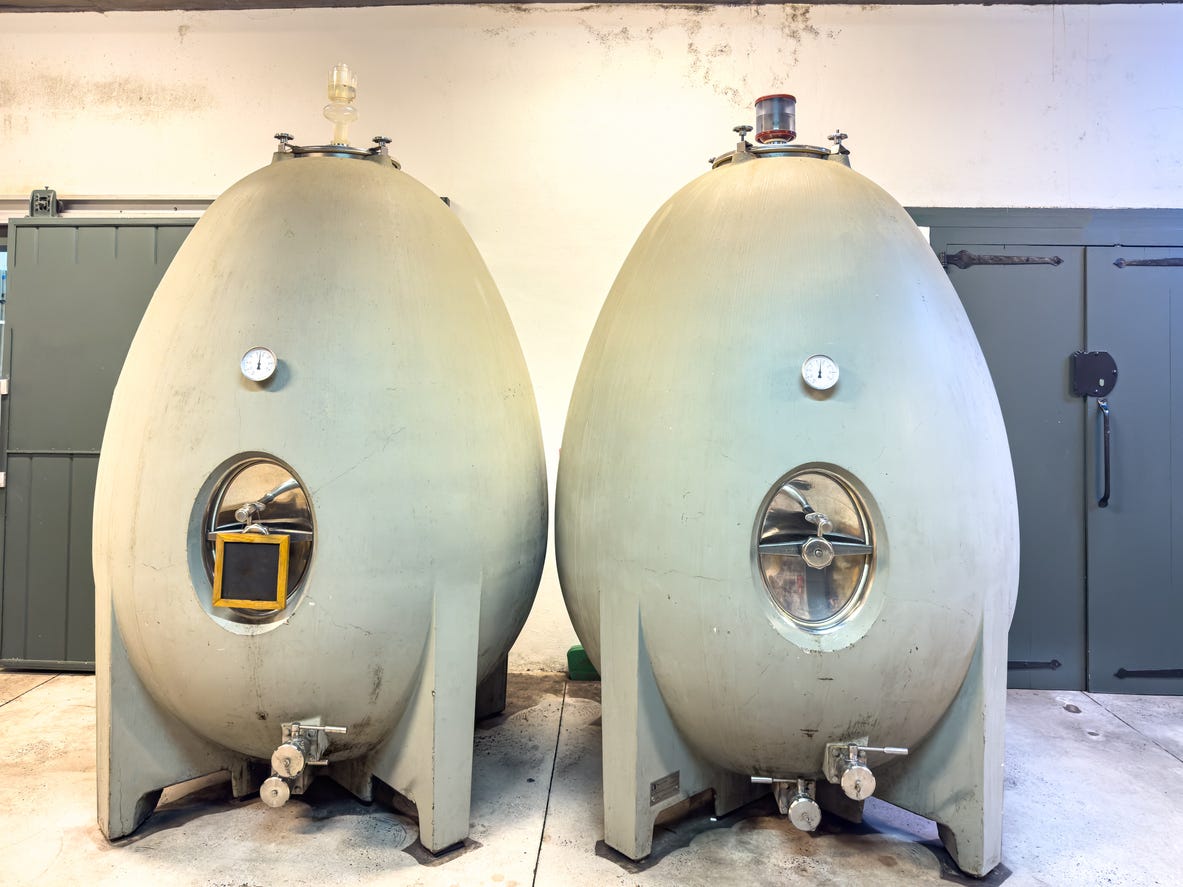
Concrete fermenting eggs
Cooper: name used to describe the person who makes wooden barrels and vats. The place where wooden barrels and vats are made is called a cooperage (tonnellerie in French; tonelería in Spanish).
Cork taint: ever poured glass of wine and found it smelt of wet newspaper or musty basement? Chances are it was caused by cork tint, a fault in wine usually caused when bits of the tree bark used to make corks are contaminated by fungi, mould or bacteria.
Cosecha: Spanish term which means the vintage year when a wine is produced and which is printed on the wine label. Also called añada.
Crianza: Spanish term for the process of wine ageing, as well as the youngest category for a wood-aged wine. Crianza wines must spend at least 24 months ageing, at least 6 of which must be in barrel (for white and rosé wines, total ageing must be at least 18 months). The rules for Rioja red wines are a little more stringent, with minimum barrel time set at 12 months.
That’s all for this week, more next time. In the meantime, I’m sure you’ve got your own terms you think we should have included so let us know what glaring omissions you can find!
Cheers!