
Beyond Rioja's reds
A look at Rioja's lesser-known white wine scene.

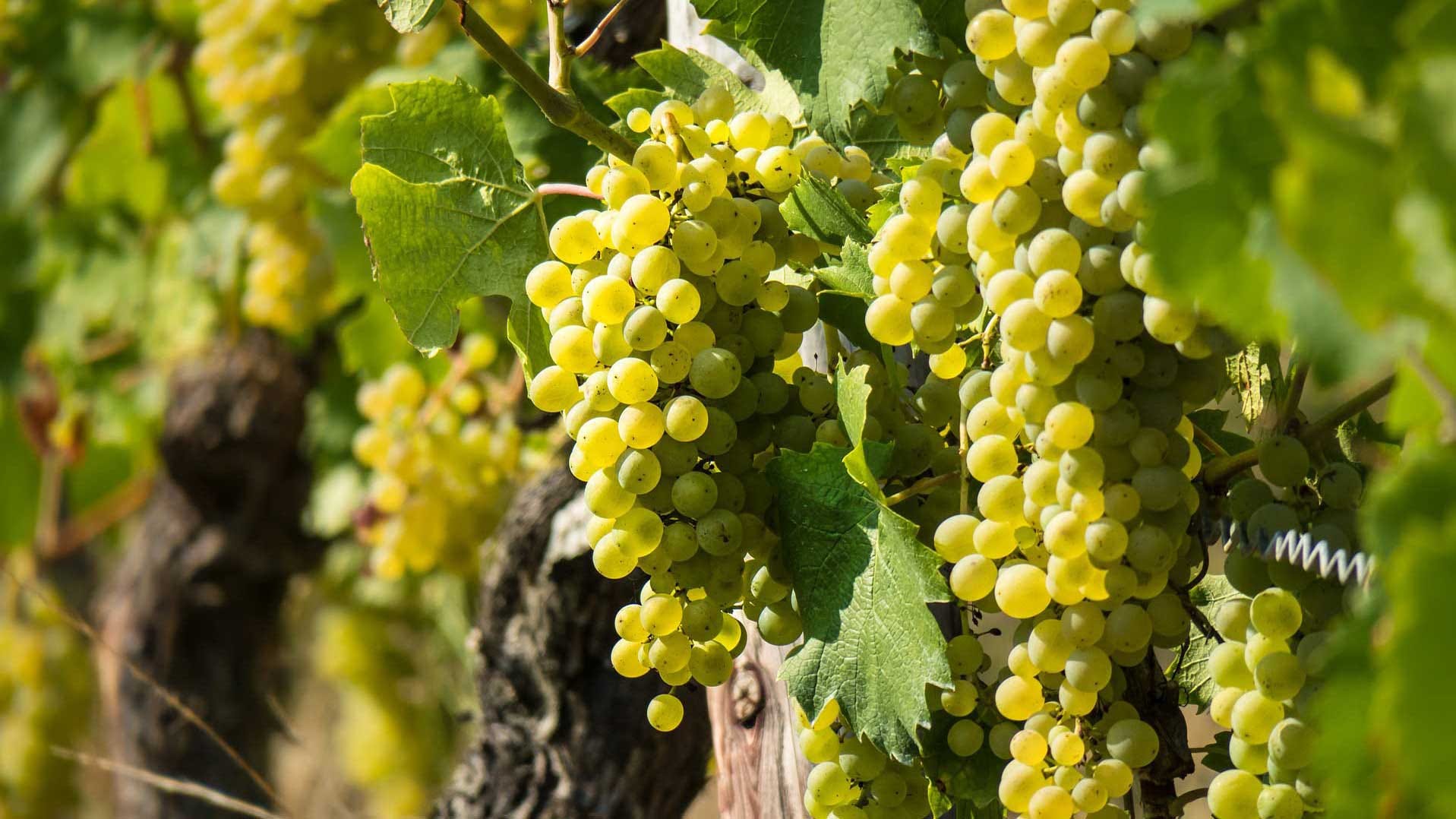
It’s probably fair to say that when most people hear the word ‘Rioja’, they think of red wine. That’s not surprising. For a start, its reputation as Spain’s most famous wine-producing region is built on excellent, full-bodied barrel-aged red wines. And even when they’re not crianzas or reservas, red wines will still dominate any Riojan wine list.
But they do make white wines in Rioja. And we ignore them at our peril.
White wine has had something of a roller-coaster ride in Rioja. According to the illustrious Riojan wine expert Tim Atkin, it’s quite possible that in pre-phylloxera days, Riojan winemakers produced at least as much white wine as red - and potentially even more. But as phylloxera wreaked havoc with wine production in France, demand for wine produced in other countries increased, and Spain answered the call. So it was that Rioja became a major source of wine for French drinkers, who predominantly wanted reds.
So, white wine slowly began to lose traction in the region, and despite a slight rebound in the 1970s, production had dropped to a low of about 2% at the turn of this century.
Fortunately, that decline has stemmed, and white wine grapes now make up 9% of total production. The most commonly grown is Viura (also known as Macabeo in other parts of Spain), which makes up about 6% of all grape plantings and 68% of white grapes grown. It’s a productive grape which produces lovely fruit and floral aromas, and it has a good level of acidity, which means it can produce good wines for ageing (more on that later).
A great example of what Viura can produce is MacRobert & Canals’ exceptional Laventura Viura. This delicious wine is full of fruit aromas like apple, pear, lime and peach, and has a lovely balanced flavour in the mouth. Head winemaker Bryan McRoberts is a firm believer in making wines that express the personality of the grapes and the characteristics of the vineyard where the grapes are grown. And this wine is a perfect example of his craft.
But Viura isn’t the only white grape you’ll find in Rioja. In fact, of the 14 grapes that are sanctioned for use by Rioja’s governing body (Consejo Regulador), nine are white versus just five reds. So there’s a surprising amount of variety in Riojan whites.
Beyond Viura you’ve got local stalwarts like Garnacha Blanca, Tempranillo Blanco and the long-standing Maturana Blanca, which can trace its Riojan heritage back to 1622.
Then you have more intriguing varieties like Malvasía. In Spain, Malvasía is probably more readily associated with the Canary Islands, where you’ll find it as Malvasía Volcanica or Malvasía Aromatica. But it crops up all over Spain in various guises, including Doña Blanca, Malvasía Blanca, Alarije, Blanca Roja, Rojal and Subirat Parent. Here in Rioja, it tends to be known as Malvasía Riojana and is often used in blends to add body and weight to a wine.
Or how about Turruntés? Not to be confused with Galicia’s Torrontés (although it is sometimes spelt the same on the bottle), this local variety is more closely related to Albillo Real and brings good acidity to wines with plenty of green apple notes and a touch of herbs.
And finally, you have the new kids on the block – Chardonnay, Sauvignon Blanc, and Verdejo. Between them, they account for only 1% of total production, but they are making their presence felt in lighter, fresher, more drinkable whites, and giving older varieties a good run for their money.
Speaking of age, it’s not something you readily associate with white wine, but in Rioja, ageing whites is a well-established practice. In fact, historically, Rioja’s white wines were renowned for their full-bodied character and oaked personalities. Even now, aged white wines from Rioja sit at the pinnacle of the wine world, with Marques de Murietta’s Castillo Ygay Blanco Gran Reserva Especial 1986 being the first Spanish white wine to achieve 100 Parker Points. Now, if you want to experience what a 100-point white reserva tastes like, you’ll need to dig deep into your pockets. If you can get your hands on a bottle, it’ll set you back around €1,600 or more. Ouch!
So yes, Rioja will probably always be best known for its reds — and fair enough, they’re fantastic. But the whites deserve a lot more attention than they get. From fresh, fruity Viuras to richer, oak-aged blends, they show just how much variety and quality the region has to offer. Whether you’re after something light to sip or a fuller wine to enjoy with food, Rioja’s white wines are well worth exploring.
Cheers!
The whites of Rioja are definitely overlooked. For the curious, more affordable options to the iconic Marques de Murietta’s aged Viura are the López de Heredia Viña Blanco made as Crianza or Reserva.
Malvasía Riojana is indeed a high quality grape. It is clearly distinct from many of other Malvasía found in Spain. Genetic analysis suggests the historic name of Alarije may be more appropriate for this grape variety. Other important synonyms for this grape include Subirat Parent in Catalunya and Pirulés in Ribera del Duero where very interesting examples are also produced.