
Festive riddling
Some more wine glossary terms

With the festive season upon us, it’s back to the glossary this week for a pre-Christmas whizz through letters O to R.
Oak: roble in Spanish, chêne in French, oak is the most popular wood for making barrels for ageing wine. Coopers (barrel makers; tonelleros in Spanish) like oak because it is hard and strong but relatively easy to work with, and good at holding liquids. There are lots of different species of oak, much generally in Spain you´ll find wines have been aged in America or French oak (or sometimes a combination of the two).
Old World: in wine-speak, the term refers to Europe and the Mediterranean basin, and is used in contrast to New World. In terms of winemaking practices, it’s hard to generalise and the sector is evolving all the time, but in general, Old World wines have traditionally attached more importance to terroir whereas New World winemakers have focused more on grape variety (reflected in how the bottles are labeled, either geographically or highlighting eg ¨Chardonnay¨ or ¨Sauvignon Blanc¨).
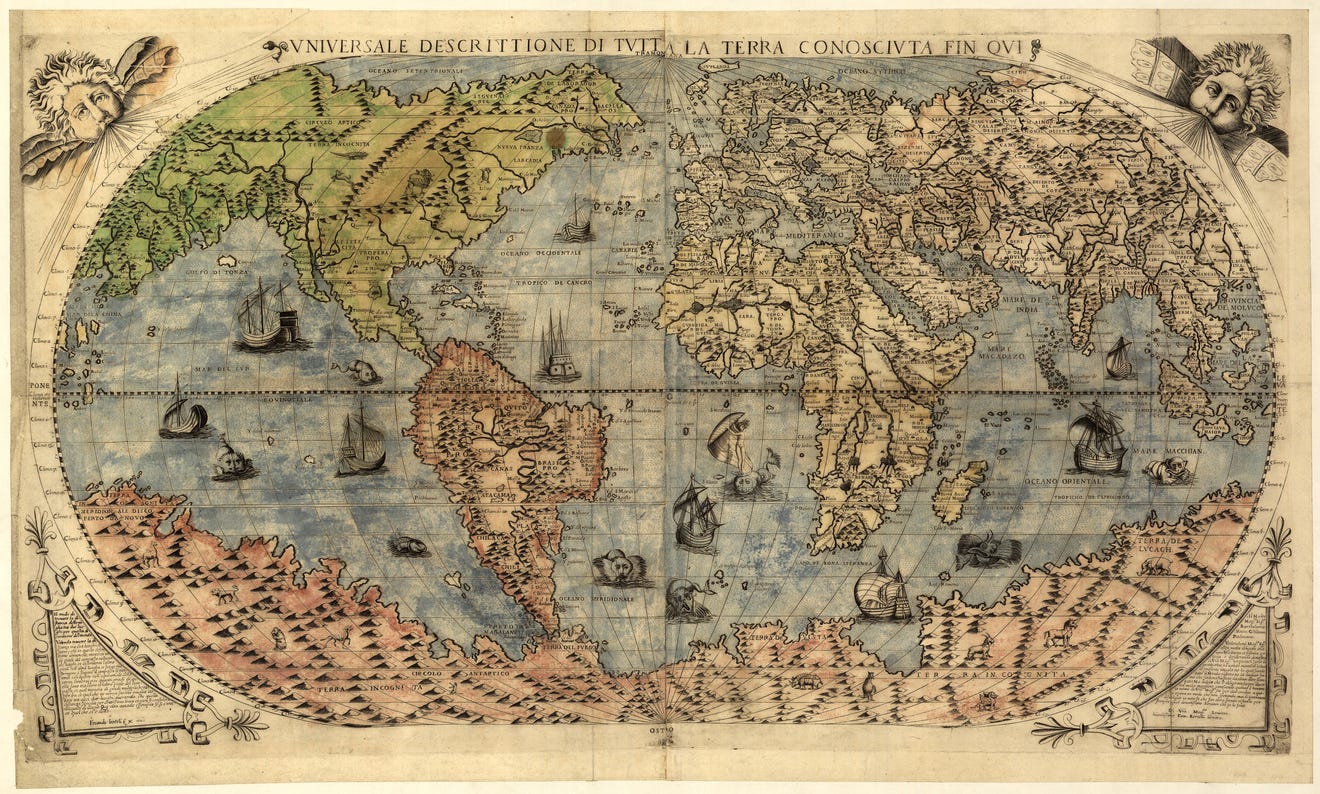
Old World wines are centred around the Mediterranean basin
Organic: refers to wine made from grapes produced by organic viticulture and made according to standards for organic winemaking. There is no single global standard; precise rules vary from country to country, although here in Europe we do have a common set of rules to help us. The key rule is that organic wine must be made from grapes grown naturally (ie no man-made, chemical-based compounds like fertilizers, fungicides, pesticides or herbicides), and any additives in the winery (eg sulphur, which can be used to protect and preserve the wine) are strictly controlled. like compost to stimulate and improve the quality of the soil. Look out for the EU organic logo on wine labels, it’s stars in the shape of a leaf.
Pasificación: a Spanish term which refers to the process of drying grapes in the sun in order to dehydrate the fruit and boost the levels of natural sugar. Used especially with the Pedro Ximénez grape in places like DO Montilla Moriles to make sweet wines. Traditionally, the area of the vineyard where the grapes are dried is called la pasera.
Phenolics: chemical compounds which occur in large numbers in grapes, especially in the stems, seeds and skins, and affect the taste, feel and colour of wine. There are dozens of phenolics present in wine, including tannins which help give a wine structure and age.
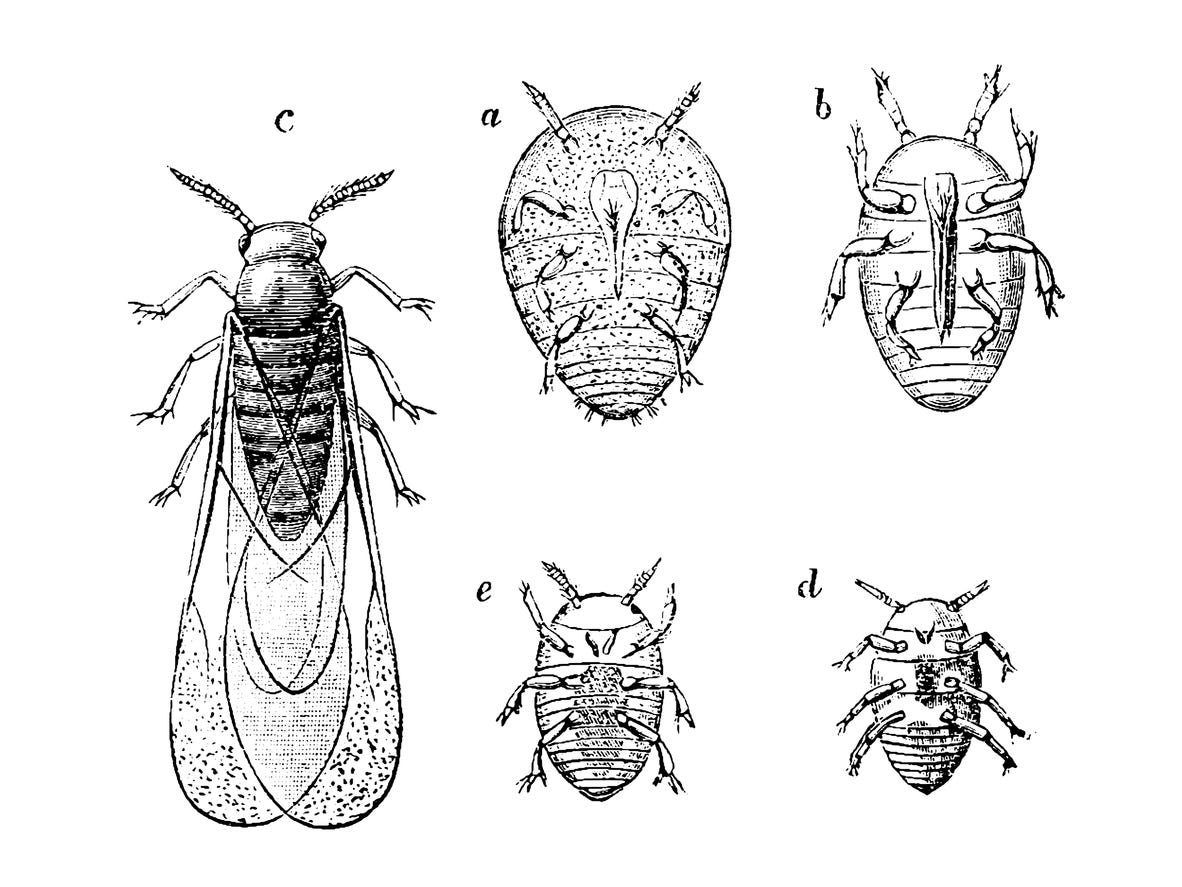
Phylloxera is an insect from the Phylloxeridae family
Phylloxera: a plant disease, caused by a yellow aphid of the same name, phylloxera kills vines by attacking their roots. It came originally from the USA, helped by the growing trade in imported plants for European gardens, and ran riot through French vineyards in the 1860s, destroying an estimated 2.5 million hectares of vine. The disease was eventually controlled when growers realized that they could graft vines onto American, phylloxera-resistant rootstock (the bottom part of the plant that sits in the earth).
Pruning: a vineyard term, called poda in Spanish and taille in French, which refers to the cutting off of the unwanted vegetative part of the vine canes during the winter months. Pruning is important – it influences the final yield of a plant by controlling the number of buds that can burst and produce grape bunches, and also helps mould the shape of the vine which can make all vineyard operations that much easier.
Pumping over: similar to délestage, pumping over involved pumping the must out of the bottom of the fermentation vessel and returning it directly at the top to sprinkle and moisten the cap. The aim is to stop the cap drying out and encourage the extraction of colour and tannin.
Punt: the indentation or dimple in the bottle of wine bottles. A throwback to the times when glass bottles were blown by hand and pushing up the bottom helped add stability to the bottle.
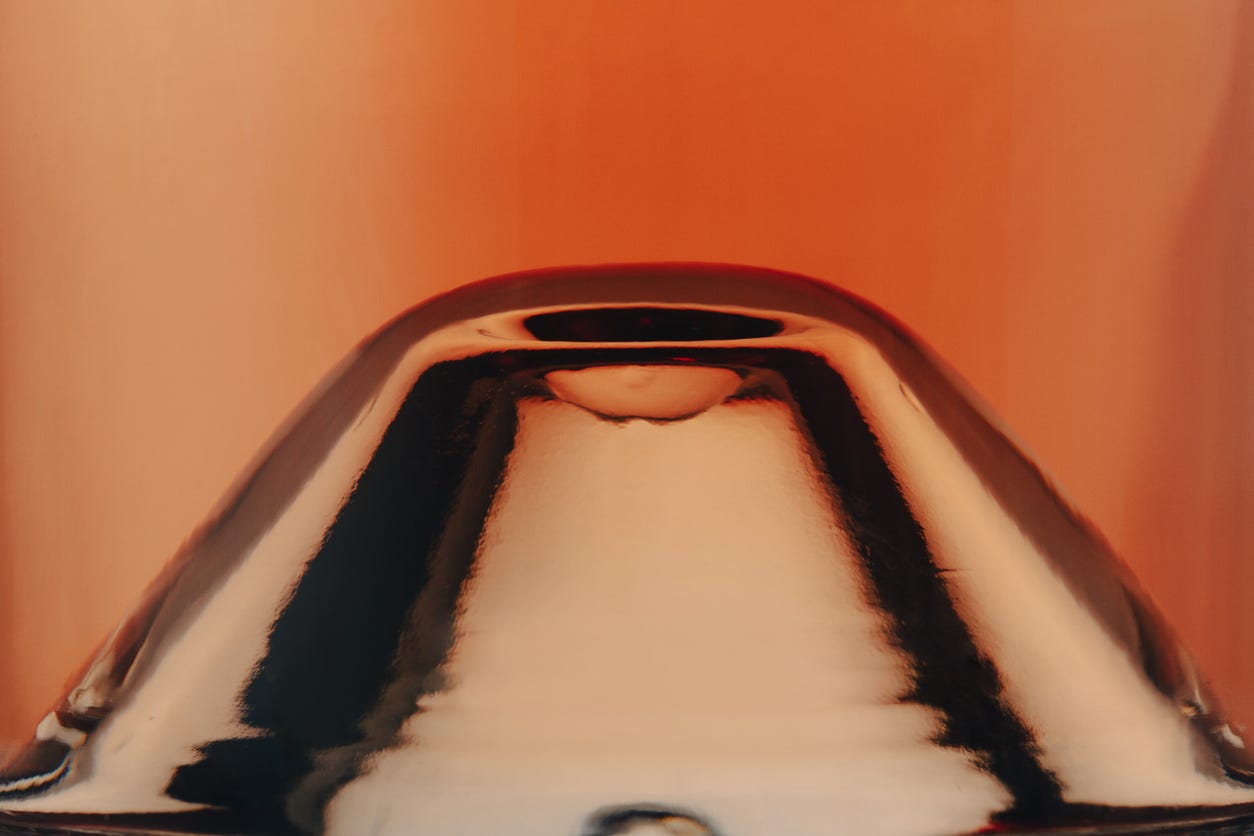
Close up of a punt on a bottle of rosé wine
Racking: stage in the winemaking process in which the wine is pumped or siphoned off from the sediment or lees in one vessel or container and moved to another for aeration or clarification.
Reserva: another Spanish wine ageing term, reserva wines can only be released four years after the harvest. In other words, a full three years of ageing is stipulated, of which 12 months must be in an oak cask (or, specifically, a 225 litre barrica if we are talking about wines from Rioja).
Riddling: rima in Spanish. An important stage in the traditional method of making sparkling wine (including Cava), which involves gradually turning the bottle upside down so that all the sediment from the secondary fermentation collects in the neck.
Cheers!